
When it comes to pool ownership, most homeowners fall into one of two categories: those who maintain their pool consistently and those who wait until something breaks. While both approaches may keep a pool operational, the financial and long-term consequences are very different.
Understanding the difference between preventive and reactive pool maintenance can help you save thousands of dollars over the life of your pool.
What is preventive pool maintenance?
Preventive maintenance involves scheduled inspections, routine cleaning, chemical balancing, and equipment checks before problems occur.
This typically includes:
- Weekly water testing and chemical balancing
- Regular brushing and vacuuming
- Filter cleaning and backwashing
- Pump and motor inspections
- Checking seals, o-rings, and pressure levelsç
The goal is simple: identify small issues before they turn into major repairs.
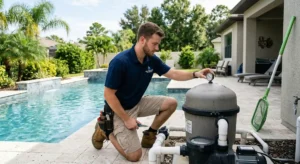
What is reactive pool maintenance?
Reactive maintenance means waiting until something stops working before taking action.
Examples include:
- Replacing a burned-out pump motor
- Fixing a major leak after water loss becomes noticeable
- Treating severe algae blooms after water turns green
- Repairing cracked plaster after structural damage spreads
While this approach may seem cost-effective in the short term, it often leads to higher repair bills and emergency service fees.
Cost comparison: Preventive vs reactive pool maintenance
Scenario 1: Pump Maintenance
Preventive Approach:
Annual inspection and seal replacement: $150–$300
Extends pump lifespan by several years
Reactive Approach:
Motor burnout due to neglected seal leak: $800–$1,800 replacement
A small seal repair can prevent full motor failure.
Scenario 2: Chemical Balancing
Preventive Approach:
- Weekly monitoring and minor chemical adjustments
- Prevents corrosion and scale buildup
Reactive Approach:
- Long-term pH imbalance leads to corroded heater components
- Heater replacement: $2,000–$5,000
Water chemistry directly affects equipment longevity.
According to the Centers for Disease Control and Prevention (CDC), maintaining proper disinfectant levels and balanced water is essential not only for swimmer health but also for preventing equipment deterioration caused by corrosive conditions.
Official guidance can be reviewed at: CDC
Scenario 3: Leak Detection
Preventive Approach:
- Routine inspections detect minor plumbing issues early
- Repair cost: $300–$600
Reactive Approach:
- Undetected leak causes soil erosion and deck damage
- Structural repair: $3,000–$10,000+
Early detection prevents compounded damage.
Long-Term Financial Impact
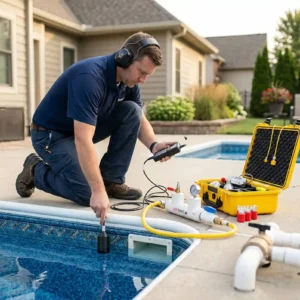
Preventive maintenance typically costs a predictable monthly amount. Reactive maintenance, on the other hand, creates unpredictable, high-cost spikes.
The National Association of Home Builders emphasizes that consistent maintenance reduces lifecycle costs of residential systems by preventing premature failure.
Pools are no exception. Equipment that is properly maintained often lasts years longer than neglected systems.
Additional Benefits of Preventive Maintenance
Beyond cost savings, preventive care provides:
- Better water clarity
- Reduced algae growth
- Lower utility bills due to efficient equipment
- Fewer emergency service calls
- Increased property value
It also reduces stress — no unexpected breakdowns right before a pool party or peak swim season.
When Reactive Maintenance Becomes Risky
Waiting too long to address issues can result in:
- Electrical hazards
- Pump overheating
- Unsafe swimming conditions
- Permanent surface damage
Minor symptoms — like unusual noises or cloudy water — are early warning signs that should not be ignored.
When comparing preventive vs reactive pool maintenance, the long-term savings are clear. Preventive maintenance provides predictable costs, extends equipment lifespan, and protects your investment. Reactive maintenance may seem less expensive upfront, but it often leads to major repair bills, emergency service fees, and shortened equipment life.
Consistent inspections, proper chemical balancing, and routine equipment checks are not just maintenance tasks — they are financial protection strategies.
If you’d like to better understand how balanced water chemistry plays a critical role in preventing equipment damage, read our Ultimate Guide to Pool Chemical Balancing for Crystal Clear Water. Combining proactive care with proper water management is the smartest way to protect your pool long-term.