
If you’ve ever driven home from work wondering whether you remembered to turn off the pool pump (or woken up at 2am thinking about whether the chlorinator is running) then pool automation San Antonio TX might be exactly the conversation you need to have. Smart pool technology has moved fast in the last few years, and what used to be a luxury reserved for high-end custom builds is now surprisingly accessible for everyday homeowners across Bexar County.
But is it actually worth the investment? And what does “smart pool” even mean in practical terms? Let’s break it all down.
What pool automation actually is, and why San Antonio homeowners are paying attention
More than just a timer on your pump
When most people hear “pool automation,” they picture some complicated system that requires a technician every time you want to change a setting. And honestly, that used to be true. But pool automation San Antonio TX has evolved into something far more user-friendly, systems you control from your phone, your watch, or a simple wall panel, without needing an engineering degree.
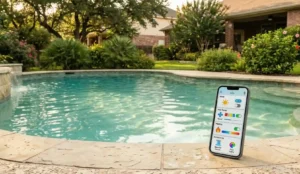
At its core, a smart pool system Texas connects your pool’s major equipment (pump, filter, heater, lights, chlorinator, and sometimes even water features like waterfalls or jets) into a single controllable network. Instead of walking out to flip switches or manually adjusting timers, you manage everything from one app. Set your pump schedule before bed. Turn on the lights for a night swim without leaving the couch. Adjust your heater temperature on the drive home so the water is perfect when you arrive.
The Pool & Hot Tub Alliance reports that smart pool automation adoption has grown significantly among residential pool owners in Sun Belt states, and it’s easy to see why in a market like San Antonio, where pools run hard for eight or nine months of the year and energy costs add up fast.
Why the San Antonio climate makes automation especially valuable
Here’s something worth understanding about automated pool controls specifically in South Texas: the conditions here are harder on pool equipment than in most parts of the country. Temperatures regularly hit triple digits. UV exposure is intense. Evaporation rates are high. And the sheer length of the swim season means your pump, heater, and chlorinator log far more operating hours annually than a pool in, say, Ohio or Colorado.
Smart systems respond to those conditions in ways a manual setup simply can’t. A variable speed pump paired with automation, for example, can automatically ramp up circulation during peak heat hours when algae risk is highest, then dial back to a low, energy-efficient speed overnight. That kind of adaptive operation extends equipment life significantly — and in San Antonio’s climate, that matters.
I remember talking to a homeowner in Stone Oak last summer who had just installed a smart pool system Texas setup after years of manually managing everything. Her first comment wasn’t about the convenience. It was about how much quieter her pump had become now that it wasn’t running at full speed 24/7. Small thing, maybe — but it stuck with me.
What pool technology 2026 actually looks like
Pool technology 2026 has reached a point where the options range from simple and affordable to genuinely impressive. Here’s a quick breakdown of what’s available at different levels:
- Entry level: Smart timers and basic app-controlled switches (~$150–$400). Control pump schedules and lights remotely. Great starting point.
- Mid range: Integrated automation systems like Pentair EasyTouch or Hayward OmniLogic (~$1,500–$3,500 installed). Full control of pump, heater, lights, and chlorinator from one app.
- Advanced: Full smart home integration with voice control, automated chemical dosing, real-time water quality monitoring, and energy usage reports (~$4,000–$8,000+).
The mid-range tier is where most San Antonio homeowners land, enough control to make a real difference in daily convenience and energy costs, without the complexity or price tag of a full custom setup.
The real costs, the real savings, and what to consider before you buy
Does pool automation San Antonio TX actually save money?
This is the question everyone asks first, and the honest answer is: it depends on your current setup, but for most San Antonio pools, yes. The biggest savings come from two places.
First, automated pool controls paired with a variable speed pump can cut energy consumption dramatically. According to the U.S. Department of Energy, variable speed pumps use up to 90% less energy than single-speed models when operating at lower RPMs. For a pool running 8–10 months a year in South Texas, that translates to real dollar savings on monthly utility bills, often $50 to $150 per month depending on pool size and current pump type.
Second, smart systems catch problems early. A smart pool system Texas with integrated monitoring can alert you when flow rates drop (suggesting a clogged filter), when chemical levels drift outside safe ranges, or when equipment is drawing more power than normal (an early sign of motor wear). Catching those issues at the alert stage versus the breakdown stage is the difference between a $200 service call and a $1,500 equipment replacement.
What automated pool controls won’t do for you
Here’s where I want to be straight with you, because a lot of the marketing around pool automation San Antonio TX makes it sound like you can basically set it and forget it forever. That’s not quite reality.
Automation handles the operational side of pool ownership beautifully, scheduling, temperature, lighting, circulation patterns. What it doesn’t replace is actual physical maintenance. Your filter still needs cleaning. Your walls still need brushing. Debris still needs skimming. And your water chemistry, even with the most sophisticated automated dosing system, still benefits from a trained human eye checking it regularly.
Pool technology 2026 is genuinely impressive, but the best results (crystal clear water, properly balanced chemistry, equipment running at peak efficiency), still come from combining smart technology with consistent professional maintenance. Think of automation as a powerful tool that makes your pool easier to manage, not a replacement for the knowledge and hands-on care that keeps everything actually working.
As This Old House puts it, automation systems “work best when paired with a regular maintenance schedule, they enhance consistency but don’t eliminate the need for professional oversight.” That’s exactly the right framing.
What to think about before installing a smart pool system in San Antonio
Before you call an installer, a few things worth considering:
- Your existing equipment age: If your pump or heater is already 8–10 years old, it may make more sense to upgrade equipment and add automation simultaneously rather than automating aging gear.
- Your pool’s complexity: A simple pool with pump and lights is easy to automate. A pool with a spa, waterfall, heater, and multiple lighting zones benefits most from a full mid-range system.
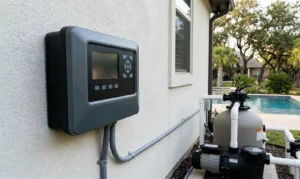
- Compatibility: Not all automation systems work with all equipment brands. Have a professional assess your current setup before purchasing any automated pool controls.
- Installation quality: This is not a DIY project. Improper wiring or configuration can damage equipment and void warranties. Always use a licensed, experienced pool technician for installation.
The bottom line on pool automation San Antonio TX is this: if you’re tired of manually managing your pool, frustrated by energy bills, or simply want more visibility into what your equipment is doing, smart pool technology in 2026 has genuinely reached the point where the investment makes sense for most homeowners. Just go in with realistic expectations, choose the right tier for your needs, and pair it with solid ongoing maintenance.
Speaking of maintenance, if you’re still figuring out what a consistent weekly care routine looks like before adding automation into the mix, our guide on weekly pool maintenance in San Antonio Texas is a great place to start. Get the fundamentals solid first, and automation becomes even more effective.
FAQ
1. What is pool automation and how does it work in San Antonio TX?
Pool automation connects your pool’s equipment — pump, heater, lights, chlorinator — into one controllable system you manage from a smartphone app or wall panel. In San Antonio, where pools run 8–9 months a year under intense heat and UV exposure, automated pool controls allow you to schedule pump cycles, adjust temperatures remotely, and receive alerts when something needs attention. It’s essentially a smart home system specifically designed for your pool, and pool technology 2026 has made it more accessible and user-friendly than ever.
2. How much does pool automation cost in San Antonio?
Costs vary by system complexity. Basic smart timers and app-controlled switches run $150–$400. Mid-range integrated systems like Pentair EasyTouch or Hayward OmniLogic typically cost $1,500–$3,500 installed, the most popular tier for San Antonio homeowners. Full smart pool system Texas setups with automated chemical dosing and voice control range from $4,000 to $8,000 or more. For most residential pools in Bexar County, the mid-range option delivers the best balance of features, energy savings, and long-term value.
3. Can pool automation really save money on energy bills in Texas?
Yes, especially when paired with a variable speed pump. Variable speed pumps operating through automated pool controls use up to 90% less energy at lower RPMs compared to single-speed pumps running constantly. For a San Antonio pool operating 8–10 months annually, that can translate to $50–$150 in monthly energy savings. Over a full season, the system often pays for a significant portion of its own installation cost, making pool automation San Antonio TX a genuinely smart long-term investment.
4. Does a smart pool system replace regular professional maintenance?
No, and it’s important to understand this before investing. Pool technology 2026 handles scheduling, circulation, temperature, and early equipment alerts extremely well. But it doesn’t physically clean your pool, brush your walls, service your filter, or replace the judgment of an experienced pool technician assessing your water chemistry in person. Smart pool system Texas setups work best as a complement to regular professional service, not a replacement for it. The best pools in San Antonio use both.
5. What is the best pool automation system for a residential pool in San Antonio TX?
For most residential pools in Bexar County, mid-range systems from Pentair (EasyTouch or IntelliCenter) or Hayward (OmniLogic) are the top choices, reliable, widely supported, and compatible with most existing equipment. Both offer intuitive smartphone apps and strong local installer networks in San Antonio. The right choice depends on your pool’s specific configuration, existing equipment brands, and budget. Always have a licensed pool professional evaluate your setup before purchasing automated pool controls to ensure full compatibility.