
When it comes to pool water conservation San Antonio, homeowners face a unique challenge: how to enjoy their backyard oasis without wasting precious gallons during one of the city’s longest droughts in recent memory. The summer heat is brutal, the Texas sun pounding from above making stone patios unbearable, and pool water evaporate almost quicker than it can be filled. Combine city regulations, skyrocketing water bills and the classic “every drop counts” reminder, and suddenly pool maintenance in San Antonio is not only about how it looks but also about taking care of business.
Imagine this: it’s a late July afternoon, cicadas buzzing, the air heavy with heat, and your kids are begging for a swim. You glance at the water level in your pool and notice it’s already dropped since last weekend. You could just refill it and move on, but in a drought, each refill carries weight. That’s when smart choices—small shifts in maintenance—make the difference between being a pool owner and being a water-conscious neighbor.
The good news? Owning a pool doesn’t have to mean turning your backyard into a monument to waste. In fact, pool owners have more control than they think. A simple cover—yes, the unfashionable tarp that makes your pool look like it’s hibernating—can save thousands of gallons. Rethinking backwashing, that oddly satisfying ritual of flushing water down the drain, helps too. And upgrading your old, wheezing equipment? That’s not just maintenance—it’s an act of modern decency.
What starts as a checklist soon becomes instinct. These small changes stop feeling like chores and start feeling like quiet acts of stewardship. Like you’re not just taking care of your pool—you’re playing your part in something bigger. A neighborhood, a city, a dry and thirsty world learning how to adapt. Together.
 Why Pool Water Conservation Matters in San Antonio
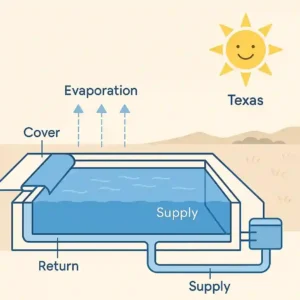
For residents, pool water conservation San Antonio isn’t just a buzzword; it’s survival under the harsh rhythm of drought cycles. San Antonio lives on the edge of a paradox: a city growing fast in a region where water doesn’t. Out here, where every drop has a job, swimming pools—though modest compared to sprawling farms or thirsty factories—stand out like glittering contradictions. When the sun scorches at triple digits, an uncovered pool can lose hundreds of gallons a week just by sitting there, quietly boiling away like a pot no one remembers to cover.
And then come the windy days—those dry, whispering thieves that sweep across the water’s surface, stealing moisture invisibly and leaving behind a pool that seems to shrink without reason. It’s not magic. It’s physics with a sense of irony.
When drought restrictions kick in, every gallon counts—not just for your utility bill, but to keep the Edwards Aquifer from crossing that invisible line between “low” and “alarming.” That’s why the city keeps nudging, pleading, reminding: your backyard oasis can be either a silent accomplice in waste… or a small but mighty example of responsible living.
This isn’t about shaming pool owners into submission. It’s about giving them the tools to be part of the solution. Saving water isn’t some noble sacrifice—it’s a smart, self-serving move. Less evaporation means fewer chemicals, fewer algae problems, and less time balancing your pool like it’s a chemistry exam. It’s like shading your windows in summer or turning off the lights when you leave a room: once you make it a habit, it stops feeling like effort and starts feeling like common sense.
And honestly? There’s something deeply satisfying about knowing your pool is working with the landscape, not against it.
Smart Maintenance Habits That Save Water
The art of pool care in dry climates is about foresight and balance. It’s about catching waste before it happens and tweaking old routines. Here are a few proven approaches:
- Cover your pool like you’d cover a sunburn: A well-fitted cover can slash evaporation by up to 90%. It’s basically SPF for your pool—protecting that precious surface from the sun’s relentless stare and keeping water where it’s supposed to be: in the pool, not in the air.
- Play detective with leaks: A tiny drip at the pump might seem harmless, but stretched over weeks, it turns into a stealthy flood. Take a stroll around your equipment now and then—inspect, listen, notice. It’s cheaper than finding out the hard way with a half-empty pool and a full repair bill.
- Rethink your backwash rituals: Many pool owners flush filters like it’s a weekly sacrament. But often, it’s not needed. Instead, clean or swap out cartridges and actually follow what the manual says (yes, that dusty booklet in the garage). Your water—and your conscience—will thank you.
- Give your system a 21st-century heart: Modern, energy-efficient pumps and filters don’t just sip electricity—they also keep things cleaner with fewer cycles. That means less water lost, fewer headaches, and a quieter machine that hums instead of groans.
- Plant with purpose: Surround your pool with trees and shrubs that block wind and cast shade. It’s not just landscaping—it’s climate control with roots. You’ll reduce evaporation and create a pocket of natural beauty that feels more like a retreat than a backyard.
By adopting these measures, you turn your pool into a space of relaxation and resilience. You’re not just following drought tips, you’re shaping the culture of what it means to own a pool in San Antonio today.
Advanced Strategies for Pool Water Conservation San Antonio
Once you’ve nailed the basics—covered the pool, sealed the leaks, and stopped backwashing like it’s a weekly ritual—you’re ready for the next level. Don’t worry, “advanced” doesn’t mean building a lab in your backyard. In fact, these tweaks often make life easier, not harder.
The real magic lies in fine-tuning. Like adjusting your pool’s water level: just a little lower than usual. Still high enough to keep the pump happy, but low enough to avoid losing gallons every time someone cannonballs in or a gust of wind gets too playful. It’s a small shift, almost invisible—but it changes the whole rhythm.
Think of it like tuning a guitar: one slight twist brings everything into balance. And in this case, balance means a beautiful pool that doesn’t drink more than it needs.
Another underrated move? Automating your system. Timers for pumps and smart sensors for leaks or water levels keep you from overfilling or running equipment longer than needed. A friend of mine in north San Antonio swears by his robotic pool cleaner. Not only does it reduce the need for frequent filter backwashing, but it also uses less water compared to traditional vacuuming systems.
And let’s not forget rainwater harvesting. While it sounds like an old-fashioned idea, collecting rain runoff from your roof and channeling it toward your pool can top it off naturally. It’s a poetic balance—letting the sky return what the sun takes away.
The Role of Mindset in Water Saving
The truth is, pool water conservation San Antonio isn’t only about tools and gadgets. At the heart of it all, it’s a mindset shift. Droughts have a way of wearing people down—scorched lawns, cracked soil like parched skin, and flashing city alerts that feel more like alarms than advice. It’s easy to see conservation as another demand in a long list of things going wrong.
But what if we reframed it? Not as a burden, but as care. Like tending a finicky plant or looking after an aging dog—it takes attention, yes, but also offers meaning.
There’s something quietly profound about standing by your pool at dusk, the heat finally relenting, and knowing that the water shimmering behind you isn’t the result of careless waste. That kind of stillness—clean, earned, almost sacred—is as restorative as the swim itself.
In moments like these, practicality and poetry stop being opposites. Covering your pool at night becomes less about evaporation and more about ritual, like tucking in a child under a soft blanket. Running a hand over your pump on a sleepy Saturday morning isn’t just maintenance—it’s stewardship, done one small gesture at a time.
Yes, the drought is a shared crisis. But your pool, paradoxically, becomes part of the solution. A tiny ecosystem where choices matter. Where small acts ripple outward—toward neighbors, toward kids learning by watching, toward a future that remembers we tried.
How Drought Tips Save More Than Just Water
When people talk about drought tips, they often focus on gallons saved. But there’s more at play here. Saving water isn’t just good for the planet—it’s good for your wallet, your weekend, and your sanity. Every time you top off your pool, you’re not just adding water—you’re diluting the delicate chemical balance you’ve worked so hard to maintain. More chlorine, more stabilizer, more pH adjusters… and more time playing chemist when you’d rather be swimming. Conserve water, and suddenly you’re conserving something even scarcer in a Texas summer: peace of mind.
Stable water levels also mean happier equipment. Think of your pump and filter like marathon runners—they thrive on consistency. Constant ups and downs wear them out faster, leading to repairs that always seem to come at the worst possible time (usually right before guests arrive). Keep things steady, and your pool hums along like a well-rehearsed symphony.
But the real impact goes beyond your backyard. San Antonio drinks deeply from the Edwards Aquifer, a resource as vital as it is vulnerable. When drought tightens its grip, the aquifer feels it first—and then so does everyone else. That’s why every small habit you build isn’t just maintenance—it’s contribution. A quiet vote in favor of a resilient city, one pool owner at a time.
 Practical Checklist for Pool Water Conservation San Antonio
When it comes down to it, pool care in the middle of a Texas drought doesn’t have to be complicated. A few intentional habits, repeated consistently, can dramatically cut down your water use while keeping the pool healthy and inviting. Here’s a simple checklist to follow:
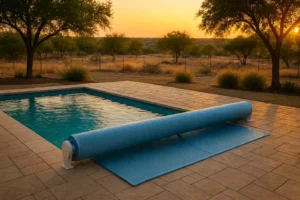
- Use a pool cover daily: Prevents up to 90% of evaporation.
- Check for leaks weekly: Even small drips waste thousands of gallons over a season.
- Lower the water level slightly: Reduces splash-out during play or windy days.
- Clean filters regularly: Improves efficiency and reduces the need for frequent backwashing.
- Vacuum smartly: Use robotic cleaners that require less backwash and conserve water.
- Harvest rainwater: Redirect roof runoff into your pool when storms bless us with rain.
- Run pumps on timers: Keeps circulation steady without wasting energy or water.
These habits stack up. On their own, they seem small—like drops in a bucket. Together, they add up to gallons upon gallons saved over a single season.
Common Mistakes to Avoid
Even with the best intentions, pool owners sometimes make missteps that undo their efforts at pool water conservation San Antonio. One of the biggest? Overfilling the pool. It’s easy to think “just a little more” won’t hurt, but those extra inches often mean constant splash-out and wasted gallons.
Another common error is neglecting pool covers. Some people buy one but rarely use it, thinking it’s only for winter. In reality, it’s your best weapon against evaporation all year long.
Then there’s backwashing too often. A common myth among pool owners: more is better. More cleaning, more backwashing, more “just in case” maintenance. But when it comes to backwashing, that instinct can do more harm than good. Overdoing it not only wastes gallons of water—it also wears down your filter faster than necessary. Trust the manual. Yes, that manual—the one you swore you’d read someday.
And here’s the other classic mistake: waiting until something breaks to care. A cracked pump lid, a brittle gasket, a slow, silent leak behind the filter—these aren’t dramatic failures. They’re quiet saboteurs, bleeding water bit by bit until suddenly, you’re replacing more than just water. Regular walk-arounds, five-minute check-ins with your system, can prevent the kind of problems that arrive uninvited—and always on the hottest day of the year.
Why It Matters
At the heart of all this isn’t just saving water—it’s preserving summer itself. Pools in San Antonio aren’t just luxuries; they’re lifelines in the blistering heat. Practicing drought tips and simple water saving habits ensures you can keep enjoying those golden afternoons without guilt or waste.
Imagine standing by your pool as the sun sinks behind the hills, the water still and cool, knowing every drop was protected with care. That’s the reward of conservation. It’s not just practical—it’s deeply satisfying.
If you’ve mastered the art of pool water conservation San Antonio, the next step might be learning how to keep algae at bay without overusing chemicals. Don’t miss our guide on Algae Prevention and Removal: Key Pro Tips—a perfect complement to water-smart pool care.
FAQs
- How much water can a pool cover save during a drought?
A quality pool cover can reduce evaporation by up to 90%, saving thousands of gallons every summer in San Antonio. - How often should I check for leaks in my pool equipment?
Do a quick inspection weekly—pump lids, gaskets, and connections are the most common culprits for water loss. - Can lowering my pool’s water level really make a difference?
Yes. Even keeping it 1–2 inches lower reduces splash-out and prevents unnecessary topping off. - Are robotic pool cleaners better for water saving?
Absolutely. They minimize the need for backwashing and use less water compared to traditional cleaning methods. - Does conserving pool water actually help San Antonio’s drought problem?
Every drop counts. By practicing water saving habits at home, you reduce demand on the Edwards Aquifer, San Antonio’s primary water source.